Price comparison websites, often referred to as Comparison Shopping Services (CSS), are an important tool for online retailers looking to increase product visibility, monitor competitors and support their international e-commerce strategy.
These platforms allow consumers to compare prices and offers from different online stores, while giving merchants an additional channel through which to promote their product catalogue.
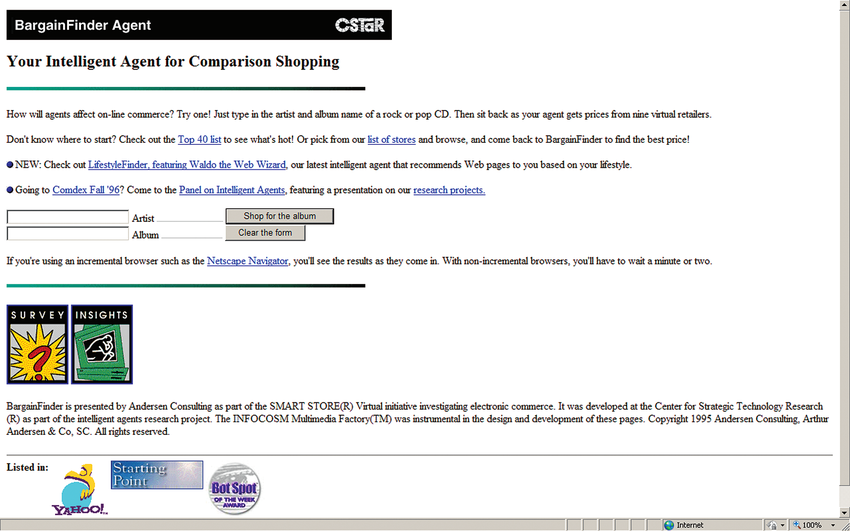
Price remains one of the key factors influencing online purchasing decisions. For this reason, price comparison websites can play a significant role in helping e-commerce businesses reach price-conscious consumers and compete more effectively in international markets.
How Price Comparison Websites Started
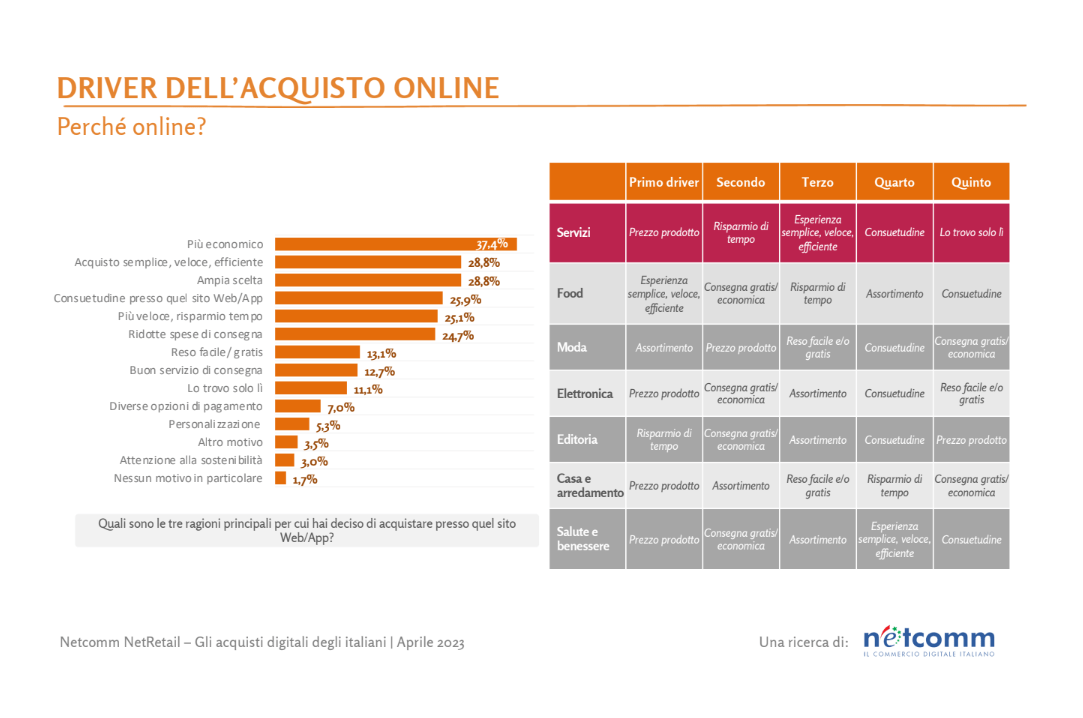
The first price comparison service is generally considered to be BargainFinder, developed in 1995 for research purposes by the US consultancy Andersen Consulting, now Accenture.
The service was designed to search several online music stores and identify the best available price for music CDs.
Since then, comparison shopping platforms have evolved considerably and are now an established part of the global e-commerce ecosystem.
How to Choose the Right Price Comparison Website
Choosing the most suitable price comparison website depends on several factors, including the target market, the type of products sold and the monthly budget available for advertising campaigns. The main aspects to consider are outlined below.
Analyse the target market. Each market has its preferred price comparison platforms. For example, while Google Shopping is popular in many countries, including Italy, platforms such as Idealo are particularly widely used in certain European markets, such as Germany. It is therefore important to identify which comparison websites are most commonly used in the target country and focus resources accordingly.
Consider the type of product. Some price comparison websites are vertical platforms specialising in specific product categories. For example, companies selling technology products may benefit from choosing platforms with a strong presence in this category, such as Idealo or PriceGrabber.
Assess the cost per click. Using price comparison websites may involve different types of costs, including cost-per-click (CPC) fees or commissions calculated as a percentage of sales. Businesses should carefully assess these costs against the expected return on investment and the selling price of their products. In particular, using price comparison websites for very low-priced products may not always be economically viable.
How Price Comparison Websites Work from a Technical Perspective
Price comparison websites are generally powered by a product data feed, i.e. a file, usually in CSV or XML format, submitted manually by the seller or automatically generated by the e-commerce platform.
The feed contains essential product information such as:
- GTIN (EAN) product code
- price
- VAT rate
- availability
- brand
- product name
- image URL
- other relevant product details.
Using a product identifier, usually a GTIN such as an EAN code, the comparison platform can identify and compare offers from different sellers for the same product, enabling users to choose the most convenient option.
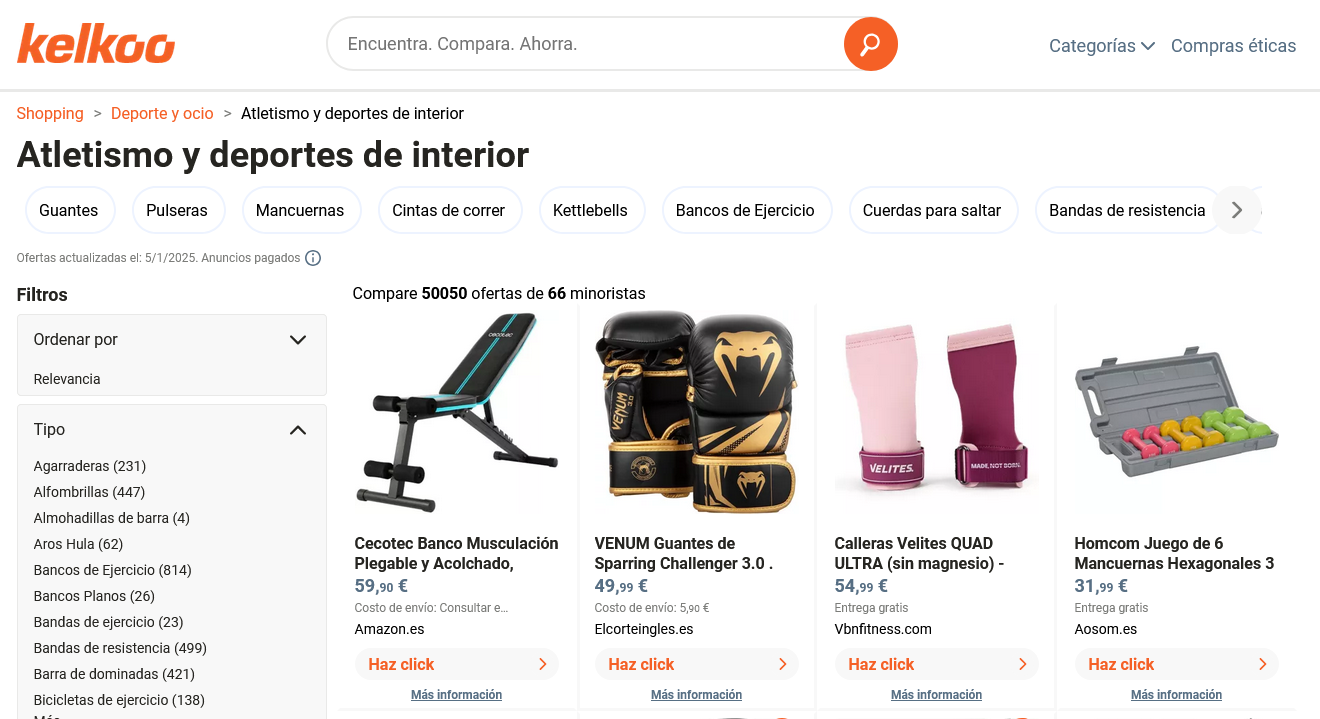
Results are generally displayed from the lowest-priced offer to the highest-priced one. It should be noted, however, that some comparison websites may not include shipping costs when ranking offers.
How to Integrate Price Comparison Websites into Your Sales Strategy
To publish a product catalogue on one or more price comparison websites, businesses should consider the following points.
- Optimise the product catalogue. Before uploading products to comparison platforms, it is essential to optimise the catalogue with product codes such as EANs, product attributes such as weight and dimensions, detailed descriptions in the appropriate language and optimised for search engines, high-quality images and competitive prices. A well-structured catalogue increases the likelihood of products being viewed and clicked on by potential customers.
- Monitor competitors. Price comparison websites make it possible to continuously monitor competitors’ prices. Using this information to adjust pricing strategies can help businesses remain competitive. However, given the large number of comparison websites and competitors, many merchants use specialised external tools to monitor competitors and automatically update their own selling prices.
- Invest in targeted advertising. Many price comparison websites provide advertising solutions designed to increase product visibility. Creating targeted campaigns for specific product groups can help increase sales and improve return on investment.
The Main Price Comparison Websites Worldwide
There are a large number of price comparison websites operating around the world.
Google Shopping
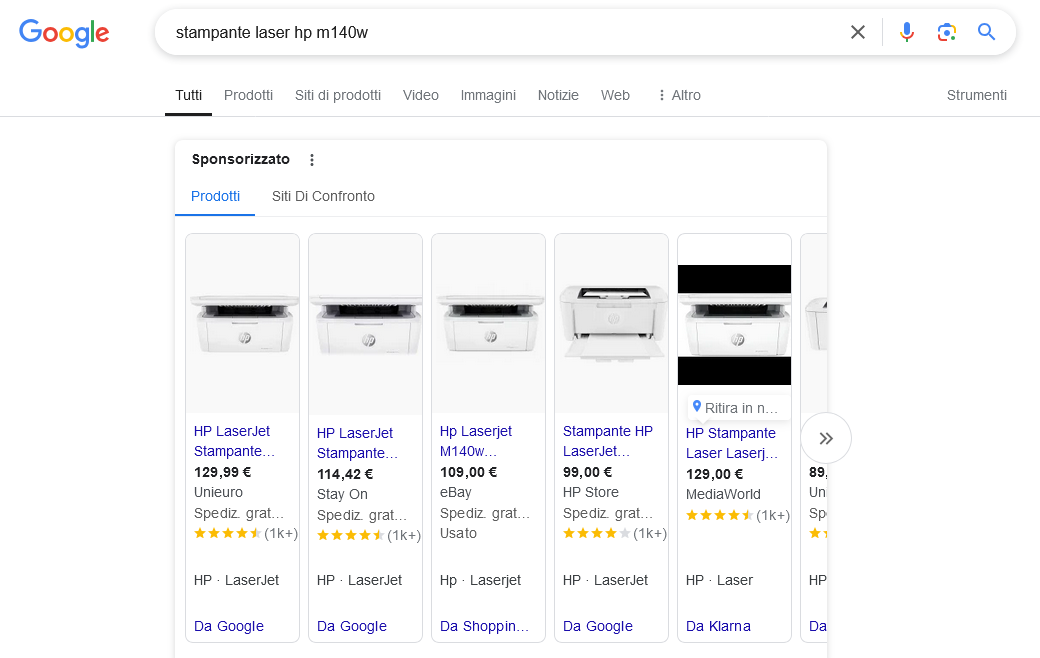
Google Shopping is the best-known general price comparison service — and probably one of the most widely used — thanks to its integration with Google. However, it is not available worldwide.
It currently operates in 121 countries, including Italy, and in some markets businesses are required to provide a Business Registration Number (BRN). China is among the countries where the service is not available.
Google provides sellers with two main options: Free Listings and paid campaigns based on a pay-per-click model through Google Ads.
Free listings can be displayed to users through Google Shopping or within Google’s product-related search results, while sponsored product listings are generally positioned prominently within search engine results pages (SERPs), sometimes also appearing alongside organic search results.
To advertise products — services are not eligible — sellers need both a Google Ads account and a free Google Merchant Center account.
Google Merchant Center has been significantly enhanced in recent years and now provides a range of useful tools for online sellers, including insights into competitors, popular products and best-selling products within specific categories.
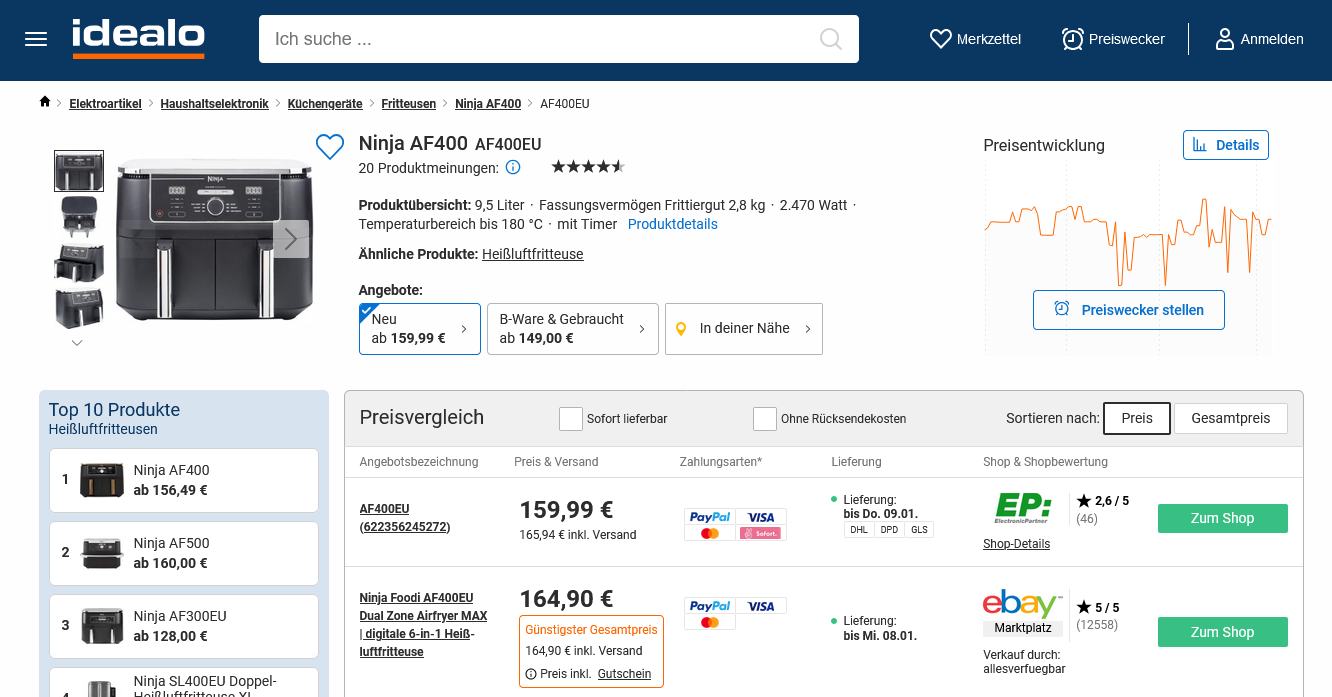
Idealo
Idealo is a general price comparison website founded in Germany in 2000.
The platform enables consumers to compare millions of products offered by thousands of online retailers, supporting greater transparency and convenience in purchasing decisions.
Thanks to its user-friendly interface and detailed product pages, Idealo has become an important reference point for consumers looking for competitive offers.
Companies seeking to expand their presence in France, Spain, Austria, the United Kingdom and Germany can benefit from Idealo’s extensive user base, increasing product visibility and creating additional sales opportunities.
Kakaku
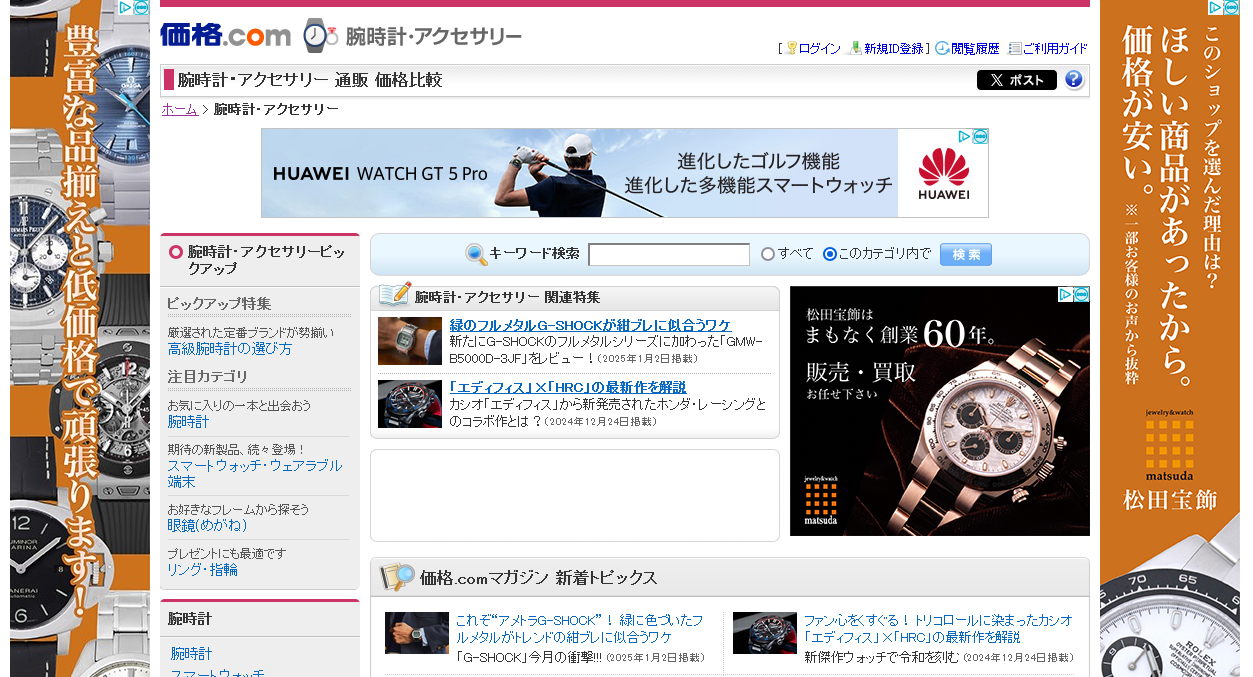
Kakaku is one of Japan’s leading price comparison websites and was founded in 1997.
The platform enables consumers to compare prices, product features and reviews across a wide range of categories, including electronics, home appliances and fashion, as well as services such as travel and insurance.
Kakaku is particularly well known for its detailed price information and regularly updated content, helping users identify competitive offers available in the Japanese market.
For businesses, Kakaku can represent a strategic opportunity to increase product visibility and reach a broad audience of price-conscious consumers.
Buscapé
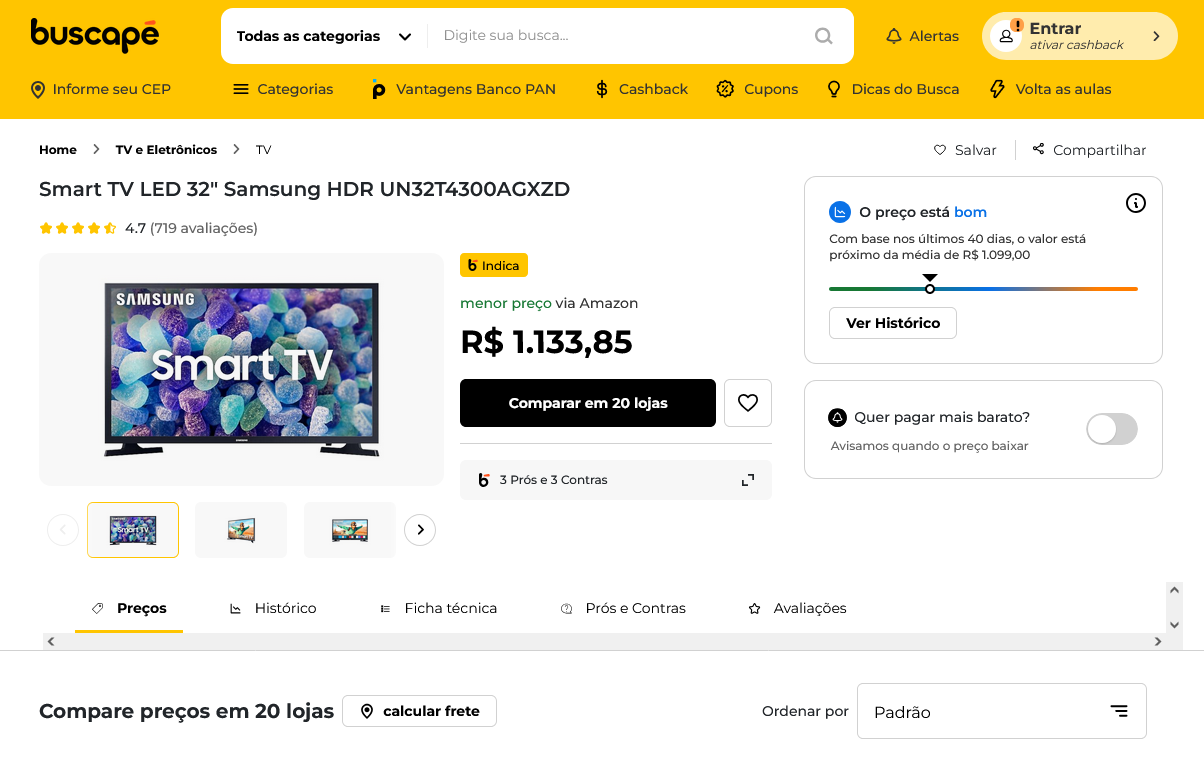
Buscapé is one of Brazil’s leading price comparison websites and was founded in 1999.
The platform enables consumers to compare prices and offers for a wide range of products sold by different online retailers.
With an established presence in the Brazilian market, Buscapé helps users identify competitive offers in categories including electronics, home appliances, fashion and many others.
For businesses, Buscapé can provide an effective channel for increasing product visibility and reaching a broad audience of online shoppers.
Through its user-friendly interface and customer reviews, the platform also helps consumers make more informed and cost-effective purchasing decisions.
Conclusion
Price comparison websites can be valuable tools for Italian companies seeking to expand their online presence internationally.
Selecting the right comparison platform and using it effectively can contribute to increased sales and stronger competitiveness in foreign markets.
Investing time in understanding the characteristics of each platform and in optimising the product catalogue is essential in order to fully exploit the opportunities offered by comparison shopping services.