Many sellers underestimate the importance of the payment methods offered on their e-commerce websites, particularly when entering new international markets. Their main concern often revolves around the transaction fees and commissions charged by payment providers.
Instead, the ease and speed of completing an online purchase are also influenced by the payment method used to transfer money from the buyer to the seller. In Italy, bank transfers, credit cards, cash on delivery and PayPal are among the most widely used payment methods, but these are not equally popular in every country. In fact, each market has its own preferred payment solutions. In Italy, for example, the PostePay prepaid card, Scalapay instalment payments and the Satispay app are particularly popular.
Costs and Fees
All payment methods charge fees on each successfully completed transaction. The transaction fee generally consists of a variable component and a fixed component and is calculated on the total order value, including shipping costs and VAT.
Fees may also apply in the event of a refund. Since 2019, most payment service providers (PSPs) have updated their policies in this regard. If a seller refunds a transaction following a return requested by a customer, the transaction fees are generally still retained. In the past, the variable portion of the fee was often refunded to the merchant when a transaction was reimbursed.
It is also important to consider dispute and chargeback fees, which may be applied when a buyer files a claim or payment dispute. Some payment methods, such as PayPal, provide additional protection for both sellers and buyers, although eligibility may depend on account verification through a credit card or bank account.
Payment Gateways
Within the electronic payments ecosystem, there are authorised providers that allow businesses to connect and manage multiple payment methods through a single platform. These payment intermediaries simplify both the technical integration and the administrative management of multiple payment solutions, including international ones, within an e-commerce website.
Some of the main payment gateways include Adyen, Braintree, Clearpay, Banca Sella, HiPay, Mollie, Nuvei, PayPlug, Shopify Payments, Skrill, Stripe, WooCommerce Payments and Worldpay.
6 Payment Methods for International Markets
In addition to PayPal and credit cards, there are several payment methods that are particularly popular in specific international markets and are worth considering when selling abroad.
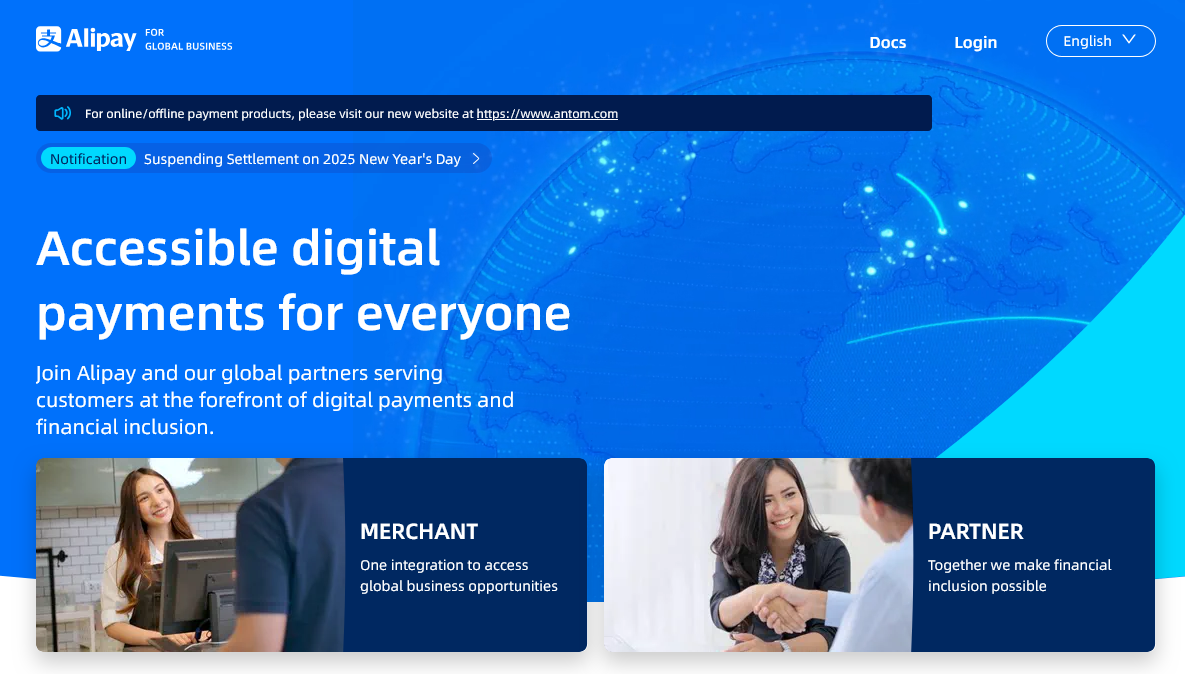
Alipay – China
Alipay, developed by Alibaba in 2004, is one of the most widely used payment platforms in China and offers a broad range of services, from online payments to transactions in physical stores. The platform also enables peer-to-peer money transfers and provides access to other financial services, including loans and investments.
In Hong Kong, there is also AlipayHK, a regional version of Alipay.
For Italian companies wishing to offer Alipay as a payment method, several payment gateways—including Banca Sella, Adyen, Stripe, Axerve and Worldpay—support its integration into a company’s own e-commerce website.
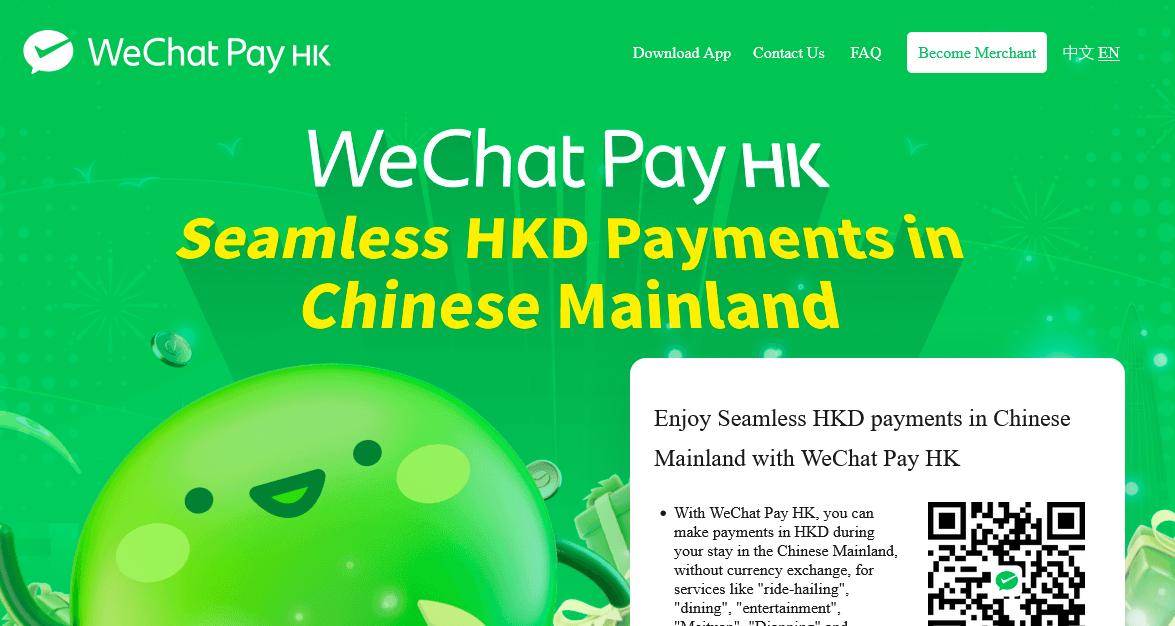
WeChat Pay – China
WeChat Pay, integrated into Tencent’s WeChat messaging app, is deeply embedded in the daily lives of Chinese consumers, enabling fast and convenient transactions through a single application.
Also known as Weixin Pay, it has rapidly evolved in recent years into a key payment method for businesses targeting Chinese shoppers, both within China and abroad.
WeChat also has an office in Italy that supports Italian companies interested in opening an official business account. Adyen and We are Planet offer solutions for integrating WeChat Pay into e-commerce websites.
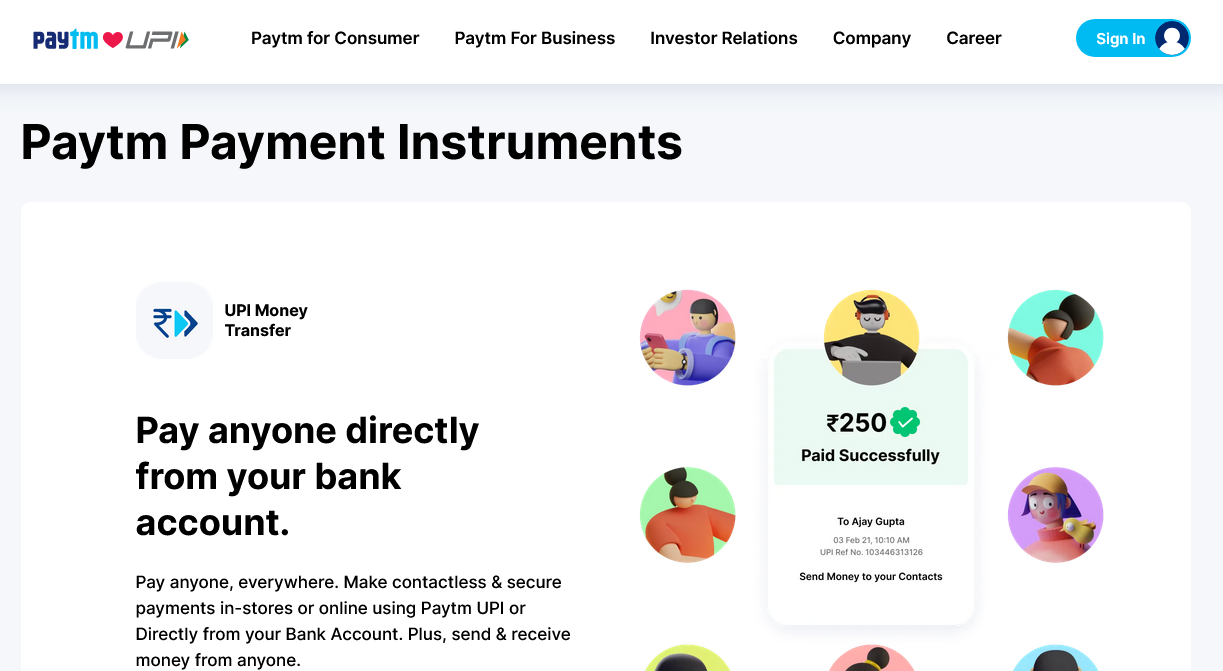
Paytm – India
In India, Paytm is one of the best-known digital payment platforms, with more than 300 million users. Originally launched as a platform for bill payments and mobile phone top-ups, Paytm has evolved into a comprehensive ecosystem that includes online shopping, food services, in-store payments, as well as investment and lending services.
Users can link their bank account, credit card or Paytm wallet to make transactions quickly and securely. Paytm’s popularity is also driven by its ability to reach a broad segment of the Indian population, including users in rural areas, thanks to widespread smartphone adoption and increasing internet penetration.
One of its notable features is International UPI Payment, which allows users to make UPI-based payments in supported international markets.
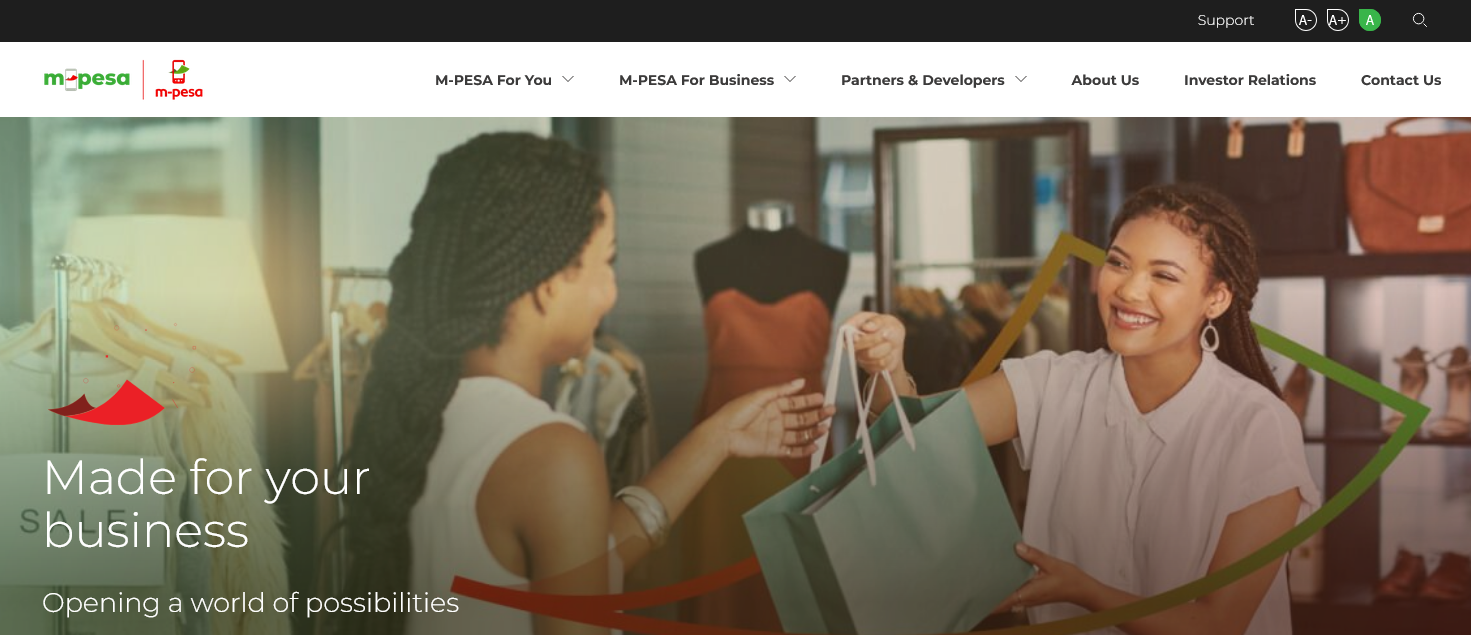
M-Pesa – Kenya and East Africa
M-Pesa, launched in Kenya in 2007 by Safaricom, a Vodafone-affiliated company, is a mobile payment system that has transformed the financial landscape across East Africa.
By enabling users to send and receive money via mobile phone without the need for a traditional bank account, M-Pesa has had a significant social and economic impact. The platform is particularly valuable in areas where access to conventional banking services remains limited.
In addition to money transfers, M-Pesa allows users to pay for goods and services online, settle utility bills and access microcredit services.
Today, M-Pesa is used by around 60 million active customers and approximately 1 million merchants, with operations extending to Tanzania, Uganda and other African countries. In doing so, it continues to play an important role in promoting financial inclusion across the region.
Boleto Bancário – Brazil
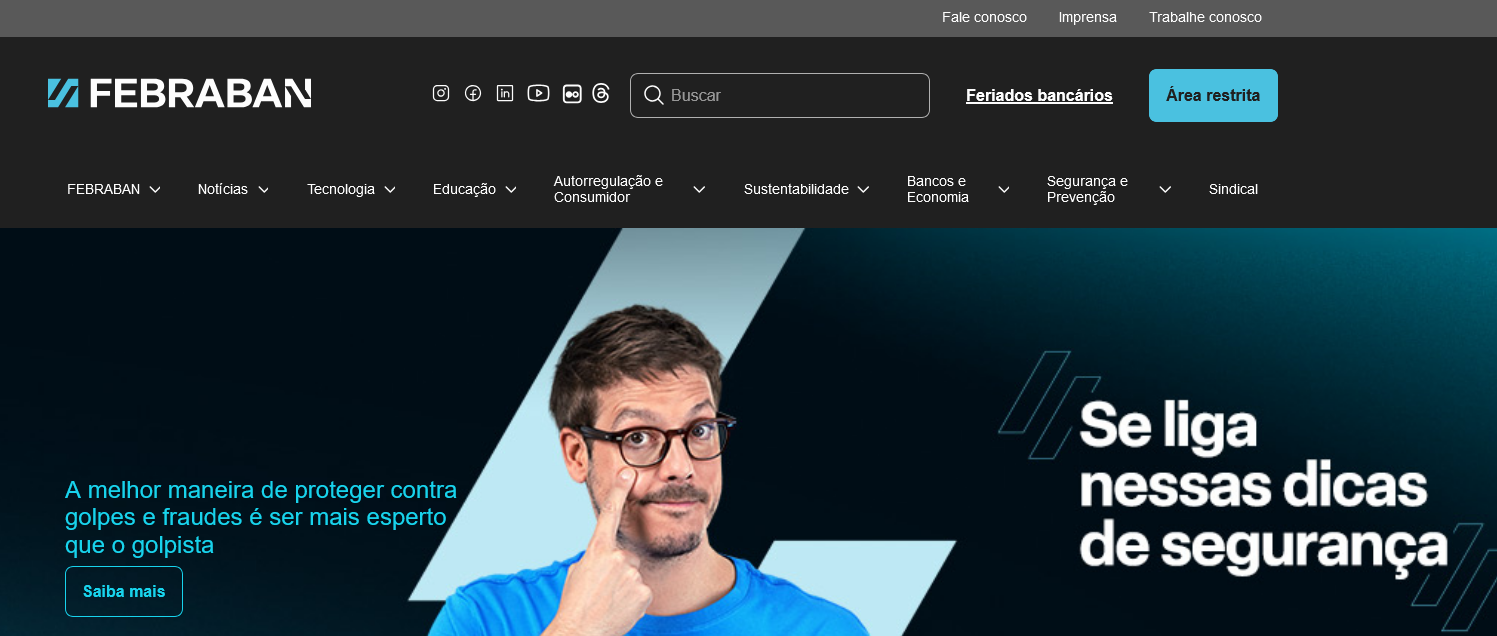
In Brazil, Boleto Bancário, regulated by the Brazilian Federation of Banks (FEBRABAN), is one of the country’s most popular payment methods, particularly for online purchases.
It is a payment system that allows users to generate a boleto, essentially a payment slip, which can be paid at a bank branch, authorised retail outlet, or through online banking.
Although the payment process is not as immediate as with other digital solutions, Boleto Bancário is widely appreciated for its security and accessibility. It does not require a credit card and can also be used by consumers who do not have a traditional bank account.
The method is commonly used to pay for goods and services on local e-commerce platforms, partly because of its relatively low fraud risk compared with credit card payments and the fact that payments generally cannot be reversed through a traditional card chargeback process.
Stripe supports Boleto Bancário, making it possible for businesses to integrate this payment method into their e-commerce checkout.
RappiPay – Latin America
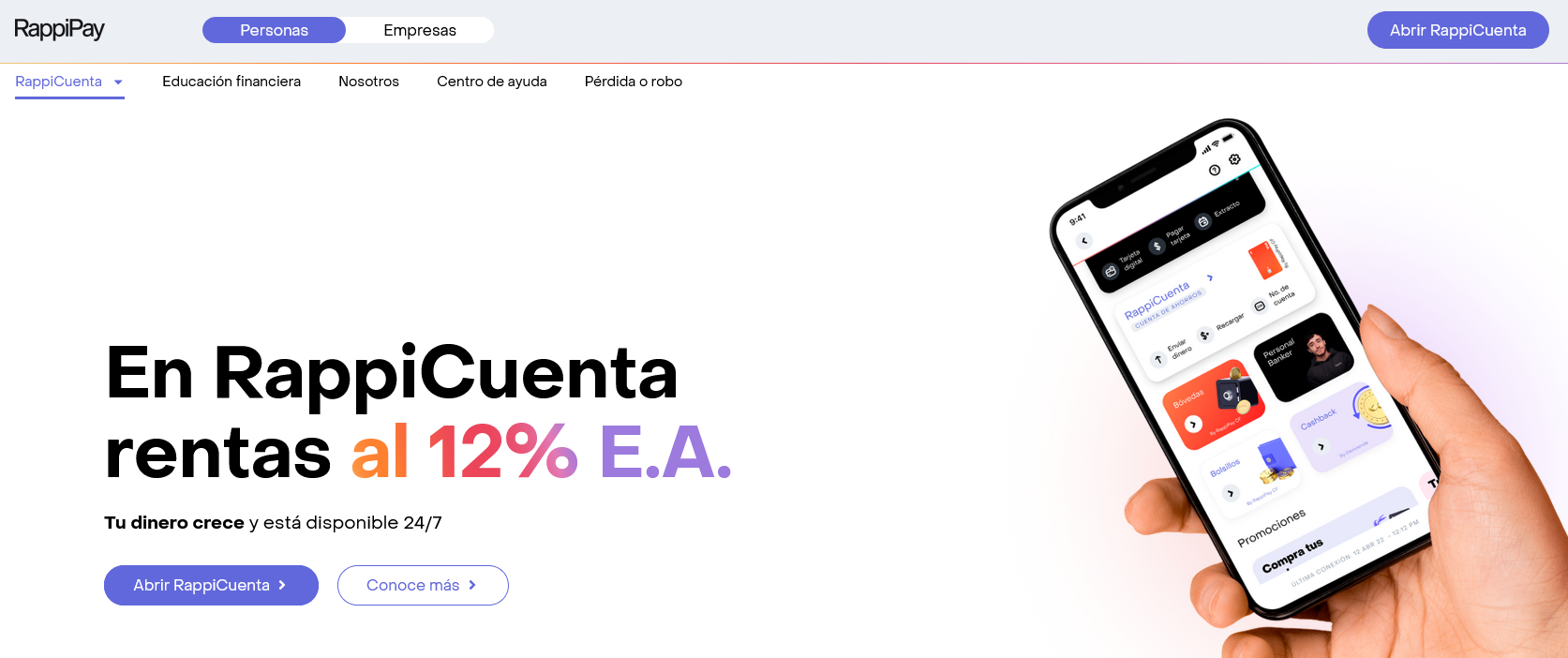
RappiPay is a digital payment solution developed in Latin America as part of the popular Rappi delivery app. The platform allows users to make online payments, transfer money to other users, and pay at physical stores directly from their smartphones.
RappiPay is available in several Latin American countries, including Colombia, Mexico and Argentina, and has expanded alongside the growing adoption of mobile apps and consumers’ increasing preference for digital payments.
In addition, RappiPay is integrated with Rappi’s loyalty programme, offering benefits, rewards and discounts to its most active users.
Conclusion
Integrating multiple local payment methods into an e-commerce website can help increase the conversion rate, as customers are more likely to complete their purchases when they can pay using the method they consider most convenient, familiar and secure.